
Imagine a freezing January evening in Overland Park where you crave the warmth of a fire but dread the inevitable cleanup. You shouldn’t have to choose between a cozy atmosphere and a clean living room. Many Kansas City homeowners find themselves exhausted by the endless cycle of hauling heavy wood, sweeping up gray ash, and worrying about lingering chimney soot. You want the ambiance of a traditional hearth without the physical labor or the inconsistent heat that wood fires often provide.
This 2026 guide is designed to help you reclaim your winter evenings through professional gas log installation in Kansas City. We’ll show you how to select, install, and maintain a high-quality gas log set that transforms your fireplace into a safe, efficient, and maintenance-free heat source. By the end of this article, you’ll understand the critical differences between vented and ventless systems, the necessity of local code compliance, and how a certified inspection ensures your family stays protected. We are diving into the technical details of modern gas logs and the simple steps you can take to improve your home’s energy efficiency this season.
Key Takeaways
- Learn why modern gas logs offer the perfect balance of realistic aesthetics and mess-free convenience for a cleaner, soot-free home.
- Compare the physics of vented and ventless log sets to determine which system meets your specific goals for heat output and flame appearance.
- Understand why a professional gas log installation in Kansas City must begin with a Level 2 safety inspection to protect your family from ventilation hazards.
- Identify the critical steps in the installation process, from gas line pressure testing to precise log placement for optimal performance.
- Discover how working with a trusted local specialist ensures your new fireplace meets all current 2026 safety standards and regional building codes.
Why Kansas City Homeowners are Switching to Gas Logs in 2026
The Kansas City skyline is changing, and so are the interiors of its most established homes. In 2026, we see a clear shift away from labor-intensive wood fires toward high-efficiency gas alternatives. Homeowners realize they can enjoy the visual warmth of a traditional hearth without the physical burden of wood management. A professional gas log installation in Kansas City offers more than just a visual upgrade; it represents a commitment to home safety and operational simplicity. These systems bridge the gap between the rustic charm of the past and the precision of modern engineering.
Beyond the aesthetic appeal, gas log sets provide a level of control that wood simply cannot match. With the touch of a button or the turn of a valve, you create an instant focal point for your home. This convenience makes the fireplace a daily feature rather than a rare weekend luxury. In the competitive Overland Park real estate market, a well-maintained gas fireplace is a sought-after asset that suggests the property has been cared for with high standards of safety and modern utility.
The End of the Ash and Soot Era
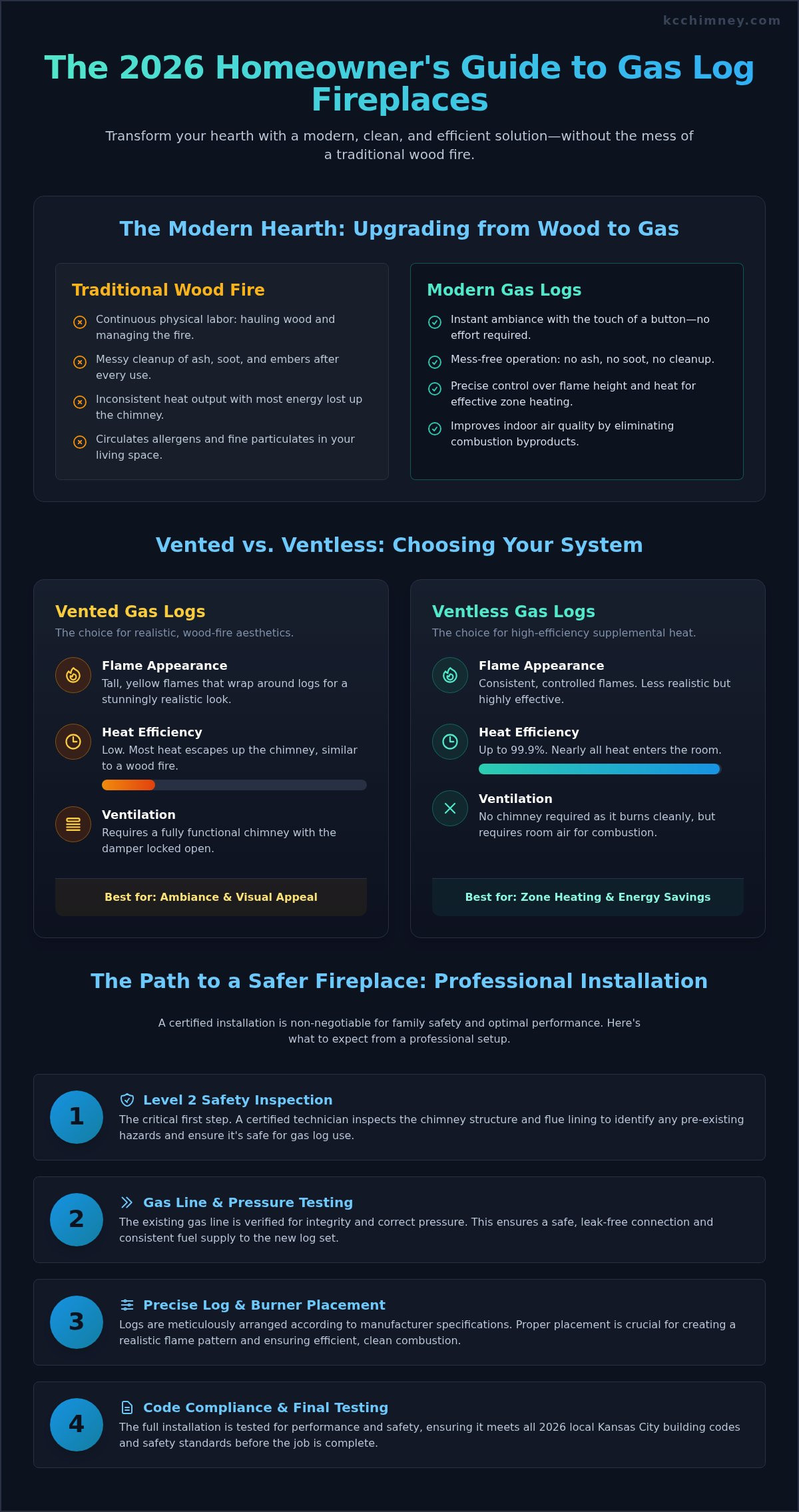
Wood-burning fireplaces require a cycle of hauling, stacking, and sweeping that consumes hours of your weekend. Gas logs eliminate the messy ash and fine soot that often settle on furniture and carpets in Mission Hills and Overland Park homes. By removing these combustion byproducts, you significantly reduce the allergens and fine particulates circulating in your living space. While modern fireplaces vary in design, gas log sets provide a consistent flame that doesn’t pop or throw sparks onto your hearth rugs. It’s the ideal solution for busy families who want a fire for thirty minutes on a Tuesday night without a three-hour cleanup process.
Cost-Effective Heating for KC Winters
Missouri winters are notoriously unpredictable, often swinging from mild afternoons to freezing nights. Instead of cranking up your central furnace to heat the entire house, gas logs allow for effective zone heating in the rooms you use most. You can keep the rest of the home at a lower temperature while maintaining a comfortable environment in the living room or den. This targeted approach is especially useful during the “shoulder seasons” of late autumn and early spring when a full furnace cycle isn’t necessary.
- Immediate heat delivery with no “warm-up” period.
- Reduced wear and tear on your primary heating systems.
- Precise control over flame height and heat output.
Gas logs eliminate the significant fuel waste seen in open wood fires where the majority of heat energy escapes directly through the chimney. When you choose a professional gas log installation in Kansas City, you are investing in a system that maximizes every therm of energy to keep your family warm and your utility bills manageable.
Vented vs. Ventless Gas Logs: Choosing the Right Fit for Your KC Home
Selecting the right logs for your gas log installation kansas city project requires a clear understanding of your heating goals. The choice usually comes down to two distinct technologies: vented and ventless. While they might look similar in a showroom, they function very differently within your home’s ecosystem. One prioritizes the visual “wow” factor of a traditional fire, while the other serves as a high-performance heater. Your chimney’s current condition and your room’s airflow will ultimately dictate which option is safest for your family.
Vented Gas Logs: The Traditional Choice
Vented gas logs are designed for homeowners who value the aesthetic of a roaring fire. These systems produce tall, yellow flames that wrap around the logs, mimicking a wood fire almost perfectly. Because they generate carbon monoxide and soot as byproducts, they must be used in a fully functional fireplace with the damper locked open. This means much of the heat escapes up the chimney, but the trade-off is a breathtaking visual display. Before choosing this path, schedule an Expert Chimney Inspection in Kansas City to ensure your flue is structurally sound and capable of venting these gases safely.
Ventless Gas Logs: The High-Efficiency Alternative
Ventless logs operate as a self-contained heating solution. They don’t require a chimney because they’re engineered to burn gas so cleanly that the byproducts are safe for the room’s air. These units are nearly 100% efficient, turning almost all the fuel into heat for your Johnson County home. They often feature an Oxygen Depletion Sensor (ODS) that automatically shuts the unit off if oxygen levels drop below a safe threshold. While highly efficient, they produce a smaller flame and can add moisture to the air, which is something to consider during humid Missouri winters.
Local building codes in the Kansas City metro area vary by municipality regarding ventless units. Some jurisdictions have specific room-size requirements or restrictions in bedrooms to prevent air quality issues. It’s vital to follow manufacturer instructions and local standards to avoid risks like fires and carbon monoxide (CO) poisoning. If you’re unsure which system fits your architectural layout, consulting with a local specialist can help you make a safe, informed decision for your family’s comfort.
When comparing the two, remember that vented logs are about the experience, while ventless logs are about the warmth. Vented sets allow for more creative log stacking and a “dancing” flame pattern that looks identical to a wood fire. Ventless sets, by contrast, must have their logs placed in a very specific, unchanging configuration to ensure a clean burn. Both options provide a mess-free alternative to wood, but they solve different problems for the modern homeowner.
The Gas Log Installation Process: What to Expect from a Professional Setup
A professional gas log installation in Kansas City isn’t just about placing ceramic logs in a box. It’s a methodical, safety-first process that prioritizes your home’s structural integrity. When you transition from wood to gas, you’re changing how your fireplace manages heat and exhaust. Our technicians follow a rigorous five-step protocol to ensure your new system operates at peak performance from the very first spark.
- Step 1: Level 2 Safety Inspection. We begin by examining the internal chimney flue, fireplace structure, and clearances. This is a non-negotiable baseline for any fuel-type conversion to ensure the system can handle gas combustion safely.
- Step 2: Gas Line Plumbing and Pressure Testing. We connect the system to your home’s gas supply. Every connection undergoes a high-pressure test to verify there are zero leaks before we introduce an ignition source.
- Step 3: Burner Pan and Media Distribution. The burner pan is the heart of the system. We carefully distribute silica sand or lava rock over the burner to ensure even gas flow and a natural flame pattern.
- Step 4: Artful Log Arrangement. Log placement is a science. We stack the logs to maximize realism while ensuring the flames don’t “impinge” or directly strike the logs in a way that causes carbon buildup or sooting.
- Step 5: Final Walkthrough. We test the remote or manual ignition and walk you through the operation, including how to use the emergency shut-off valve.
Gas Line Requirements and Plumbing Safety
In many older KC homes, existing gas lines might be undersized or located in awkward positions. A certified technician must evaluate if your current plumbing can support the BTU requirements of your new log set. If we need to run a new line, we ensure it’s properly sized and includes a dedicated shut-off valve for your protection. This isn’t a DIY project; precise plumbing ensures your system won’t starve for fuel or create a hazard during heavy winter use.
Configuring the Damper and Venting
For vented log sets, the damper must remain open whenever the fire is burning. We install a permanent damper clamp that prevents the flue from closing fully, which is a critical safety requirement to prevent carbon monoxide from entering your living room. Before we install any hardware, we ensure the flue is entirely clear of old wood-fire debris. If your chimney hasn’t been serviced recently, it’s vital to consult our Chimney Sweep Kansas City Pillar guide to understand why a clean flue is the foundation of a safe gas conversion. A clear chimney ensures that 100% of the combustion byproducts exit your home as intended.
Safety and Performance: Why Professional Installation is Non-Negotiable
Safety isn’t just a checkbox; it’s the foundation of your home’s comfort. While a gas log installation in Kansas City might seem straightforward, it involves complex pressure regulation and ventilation physics. A minor oversight in gas line threading or a slightly misaligned burner can lead to slow gas leaks or inefficient combustion. Professional technicians bring specialized equipment to detect these issues before they become emergencies, ensuring your hearth remains a source of joy rather than a liability.
One of the most common issues with amateur setups is “sooting.” This occurs when the flames directly touch the logs, causing incomplete combustion and a buildup of black carbon. Not only does this ruin the look of your logs, but it can also release harmful particulates into your living room. We use manufacturer-specific templates to ensure the flame path remains clear and the burn stays clean. A Level 2 Inspection is a comprehensive evaluation of the internal chimney flue, fireplace structure, and clearances using video technology to ensure the system is safe for a fuel-type conversion. This step is vital for uncovering hidden cracks or blockages that could lead to house fires.
Detecting the Invisible: CO Safety
Carbon monoxide is odorless and colorless, making it a silent threat if a system isn’t drafting correctly. During a professional gas log installation in Kansas City, we perform draft tests to verify that all combustion byproducts are exiting the home. We also advise on the strategic placement of CO detectors. These devices should be located on every level of the home and near sleeping areas to provide an early warning. Our team ensures that your fireplace is tuned to produce minimal CO, but these detectors serve as a necessary secondary layer of protection for your family.
Maintaining Your Gas Logs for Longevity
Like any mechanical system, gas logs require regular attention to stay efficient and durable. Dust and spider webs frequently clog pilot assemblies during the off-season, leading to ignition failures when the first cold snap hits. An annual professional check-up ensures that your safety sensors are functional and your burner ports are clear of debris. If you notice a weak pilot light or a strange odor coming from your hearth, you may need Expert Gas Fireplace Repair in Overland Park to restore your system’s integrity and performance.
Protecting your home requires a blend of technical mastery and high-quality components. Our technicians treat every project with the thoroughness it deserves, valuing your peace of mind over a quick sale. Don’t leave your family’s safety to chance by attempting a DIY setup or hiring an uncertified handyman. You can schedule a professional safety consultation with our team to ensure your fireplace is ready for the winter ahead.
Transforming Your Hearth with Best Chimney Services in Overland Park & Beyond
Since our founding in 2012, Best Chimney Services has focused on one primary goal: acting as the guardian of your home. We aren’t general contractors or jack-of-all-trades handymen. We are specialized technicians who understand the specific architectural needs and climate challenges of the Kansas City metro. When you trust us with your gas log installation in Kansas City, you’re hiring a team that prioritizes technical mastery and safety above all else. We’ve built our reputation on the grit of manual labor combined with the precision of modern industry standards.
Our expertise isn’t just about connecting a gas line; it’s about building long-term relationships with our neighbors in Overland Park and Johnson County. We view every fireplace as an investment in your property’s future and your family’s peace of mind. Our technicians are trained to demystify complex venting issues, providing you with clear, no-nonsense answers about your home’s safety. We take pride in our specialized niche, ensuring that every log set we install meets rigorous CSIA standards and local building codes.
Serving the Kansas City Metro with Integrity
Being a neighborly service provider means treating your living space with the highest level of respect. We understand that many homeowners hesitate to schedule service because they fear the mess associated with chimney work. To address this, we’ve perfected a “no-mess” guarantee for every gas log installation in Kansas City. We use specialized drop cloths and industrial-grade vacuums to ensure your carpets and furniture remain pristine throughout the process. Our service area extends across the region, from the historic homes of Mission Hills to the growing communities in Stilwell, Bucyrus, and Spring Hill.
If our initial Level 2 inspection reveals that your masonry or flue needs attention before the conversion, we’ll provide an honest, thorough assessment. We specialize in Expert Chimney Repair in Kansas City, ensuring that your fireplace structure is as reliable as the new gas logs we place inside it. We value integrity over high-pressure sales, and we’ll never recommend a service that isn’t essential for your home’s protection.
Schedule Your KC Gas Log Consultation Today
Ready to experience the warmth of a maintenance-free fireplace this winter? The process begins with a professional consultation where we evaluate your existing hearth and provide a clear, flat-rate quote. To prepare for our visit, we ask that you clear a small area around the fireplace of any furniture or fragile decor. This allows our technicians to perform a thorough inspection and pressure test without obstruction. We’ll handle the technical details, ensuring your new system is tuned for maximum efficiency and safety.
Don’t let another freezing Missouri night pass with a cold or messy hearth. Our team is ready to help you choose the perfect log set that fits your home’s style and heating needs. You can Contact Best Chimney Services for your gas log installation today to secure your spot on our 2026 schedule and ensure your home is ready for the first cold snap.
Secure Your Winter Comfort with Professional Care
Transitioning your home to a modern gas fireplace is an investment in both your property’s value and your daily quality of life. By choosing the right log set for your heating needs and prioritizing a certified safety inspection, you ensure your hearth remains a reliable sanctuary rather than a source of maintenance stress. The difference between a high-performing system and a safety hazard often comes down to the precision of the initial setup and the thoroughness of the technician involved.
Since 2012, Best Chimney Services has acted as a trusted partner for homeowners from Mission Hills to Spring Hill. Our certified chimney technicians provide a no-mess service guarantee, ensuring that your gas log installation in Kansas City is completed with technical mastery and total respect for your living space. We don’t just install hardware; we provide the peace of mind that comes from knowing your family is protected by industry-leading safety standards and neighborly service.
Schedule your professional gas log installation in Kansas City today and prepare your home for a cozy, worry-free season.
Frequently Asked Questions
Do I need a chimney for gas logs in my Kansas City home?
The requirement for a chimney depends on the specific log set you choose. Vented gas logs require a fully functional chimney flue to safely exhaust combustion byproducts like carbon monoxide. However, ventless gas logs are designed to operate without a chimney, making them a flexible option for rooms without an existing flue. Before any gas log installation in Kansas City, we perform a Level 2 safety inspection to verify your home’s venting capacity.
How much does gas log installation cost in Overland Park?
The total investment for a new setup depends on the log material, the burner complexity, and your home’s existing gas line configuration. Equipment options range from basic budget sets to premium, hand-painted ceramic models that offer maximum realism. Labor costs vary based on the complexity of the plumbing and the current condition of your fireplace structure. We provide clear, flat-rate quotes after an initial consultation to ensure you understand the full scope of your project.
Can I install gas logs myself if I have an existing gas line?
We strongly advise against DIY installation because of the severe risks associated with gas leaks and carbon monoxide poisoning. Professional technicians use specialized pressure-testing equipment to verify every connection is airtight and safe. A certified installer also ensures the log placement meets strict manufacturer standards to prevent soot buildup. Protecting your family’s safety and ensuring your home meets local building codes requires the technical mastery of a seasoned local expert.
What is the difference between a gas fireplace insert and gas logs?
Gas logs are decorative sets placed inside your existing masonry fireplace, primarily providing ambiance and supplemental warmth. A gas fireplace insert is a self-contained, sealed metal box that fits into your hearth to provide high-efficiency zone heating. While logs are often more affordable for a quick aesthetic upgrade, inserts are the better choice for homeowners in Overland Park who want to significantly reduce their winter heating bills through improved energy efficiency.
How long do gas logs typically last before needing replacement?
High-quality refractory cement or ceramic fiber logs typically last between 10 and 15 years with proper care. Their lifespan depends heavily on how often you use them and whether you keep up with annual professional maintenance. Over time, logs may develop small cracks or surface discoloration from consistent heat stress. Regular check-ups help identify these issues early, ensuring your system remains both beautiful and safe for a decade or more of winter use.
Are ventless gas logs safe for homes in Johnson County?
Ventless gas logs are safe when they are installed according to specific local building codes and room-size requirements. These units feature Oxygen Depletion Sensors that automatically shut off the gas if oxygen levels drop below a safe threshold. Because they release small amounts of moisture and combustion byproducts into the room, proper sizing is essential for your indoor air quality. We help homeowners in Mission Hills and Overland Park determine if their space meets these safety standards.
Do gas logs provide enough heat to warm a large living room?
Ventless gas logs are highly efficient heaters and can easily warm a large living room or open-concept area. They convert nearly 100% of the fuel into usable heat for your home. Vented gas logs, however, lose most of their heat up the chimney and are primarily used for their realistic flame appearance. If your goal for a gas log installation in Kansas City is primary zone heating, a ventless system or a gas insert is usually the better choice.
How often should I have my gas logs inspected by a professional?
You should schedule a professional inspection once a year, ideally before the first cold snap of the season. During this visit, we clean the pilot assembly, remove dust or debris that can cause ignition failure, and check for gas leaks. Regular maintenance prevents soot buildup and ensures that all safety sensors are functioning correctly. This proactive approach provides you with a worry-free fire throughout the Missouri winter and extends the life of your investment.